 LOCK
LOCK


 01
01 03
03 04
04 06
06 07
07 08
08 09
09 11
11 12
12 13
13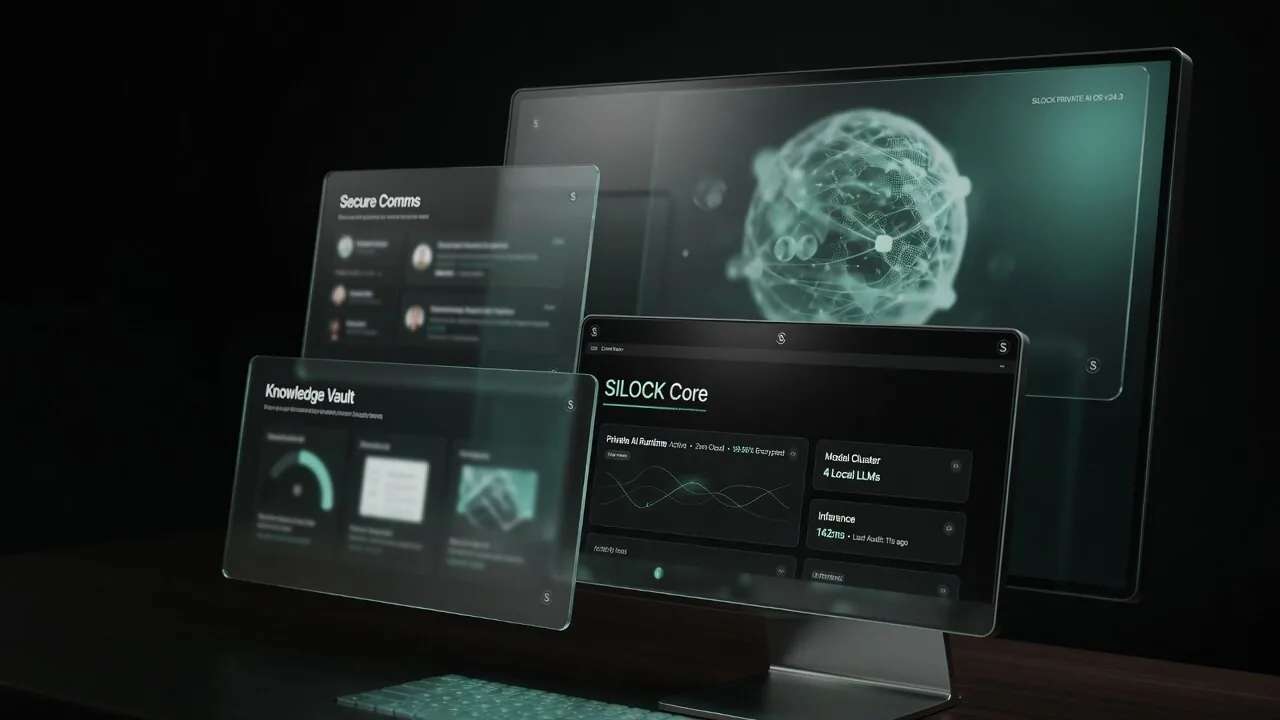 17
17 18
18 20
20
Private AI vscloud AI
Compare private local AI and cloud AI for privacy, cost, compliance, and control. When to keep prompts on your machine — and when cloud still makes sense.
The privacy question everyone is asking
Every prompt you send to a cloud model leaves your machine. Policies vary. For consumer toys that may be fine. For client data, unpublished product plans, medical context, or regulated work, “trust us” is not a control plane.
What private AI actually means
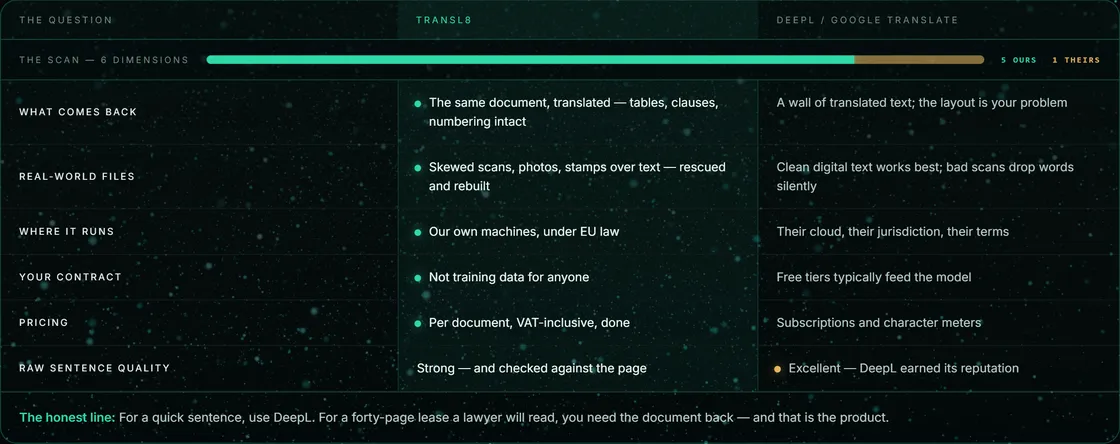
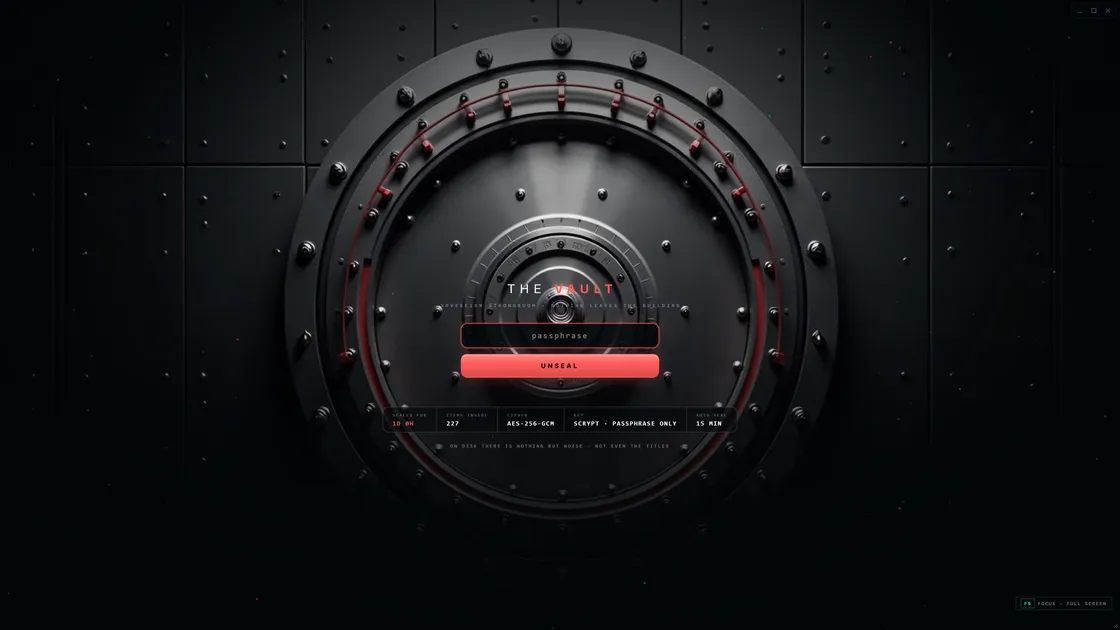
Private AI means prompts, documents, and generated results default to staying under your authority — ideally on hardware you own or a tightly controlled on-prem environment. It is not a sticker on a SaaS login. Architecture decides privacy.
Cloud AI strengths
Fast start, managed uptime, frequent model upgrades, and low friction for public or non-sensitive tasks. Ideal for experimentation and non-confidential drafting when contracts allow.
Local private AI strengths
Data residency by construction, offline options, no automatic multi-tenant model hop, and capacity that scales with your hardware budget instead of per-seat surprise bills.
Hybrid honesty
Many organisations will mix paths: local for sensitive work, cloud for public research. The critical design is that sensitive paths must not fall back to the cloud by accident.
S◉LOCK stance
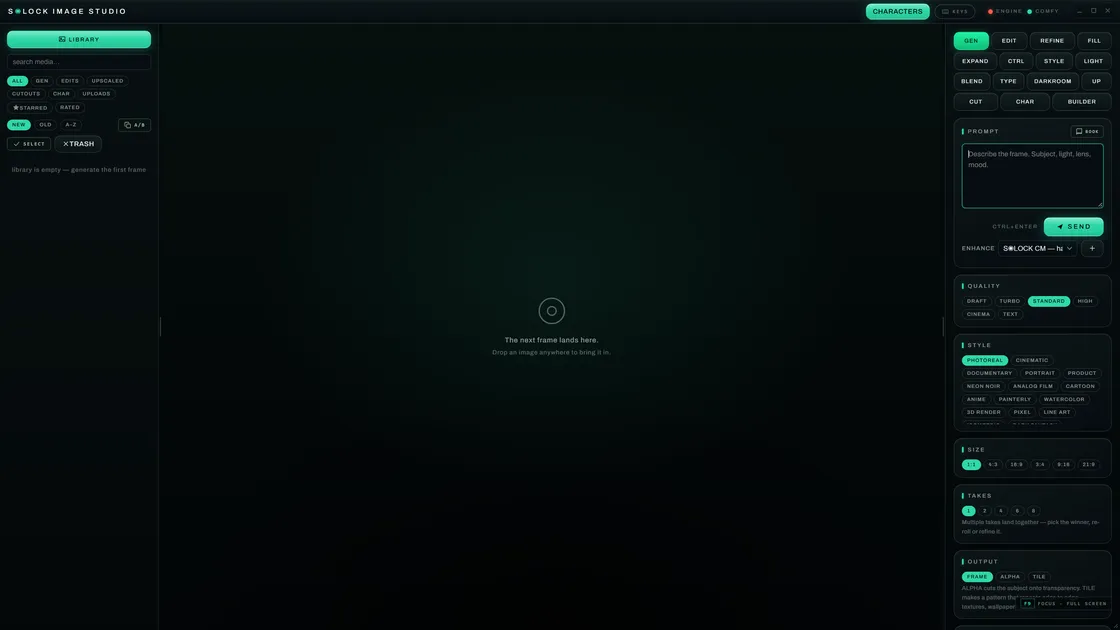
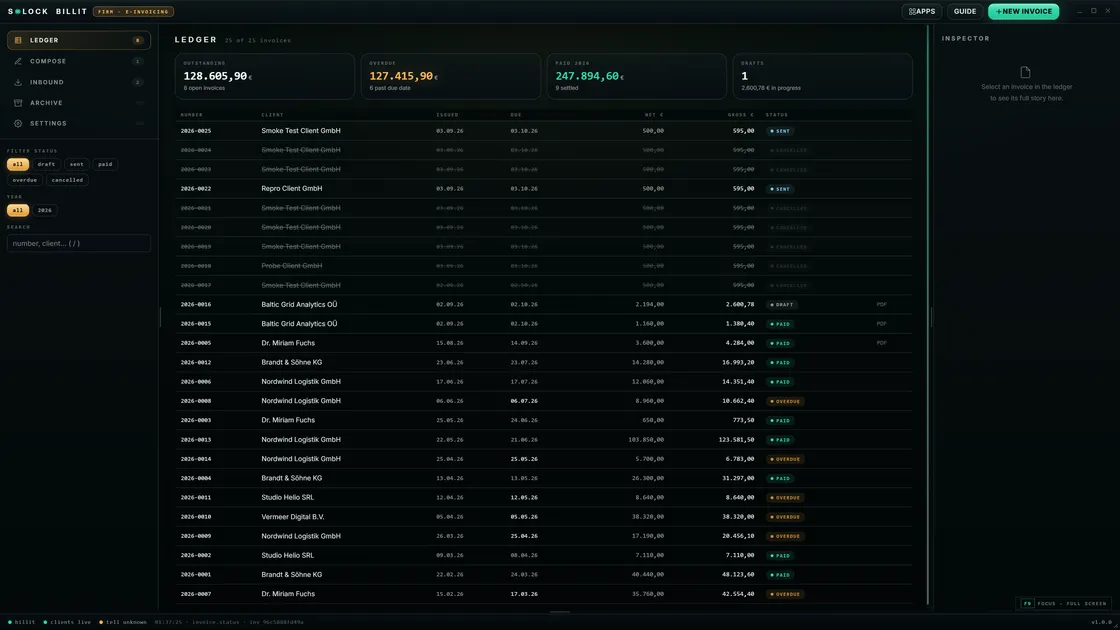
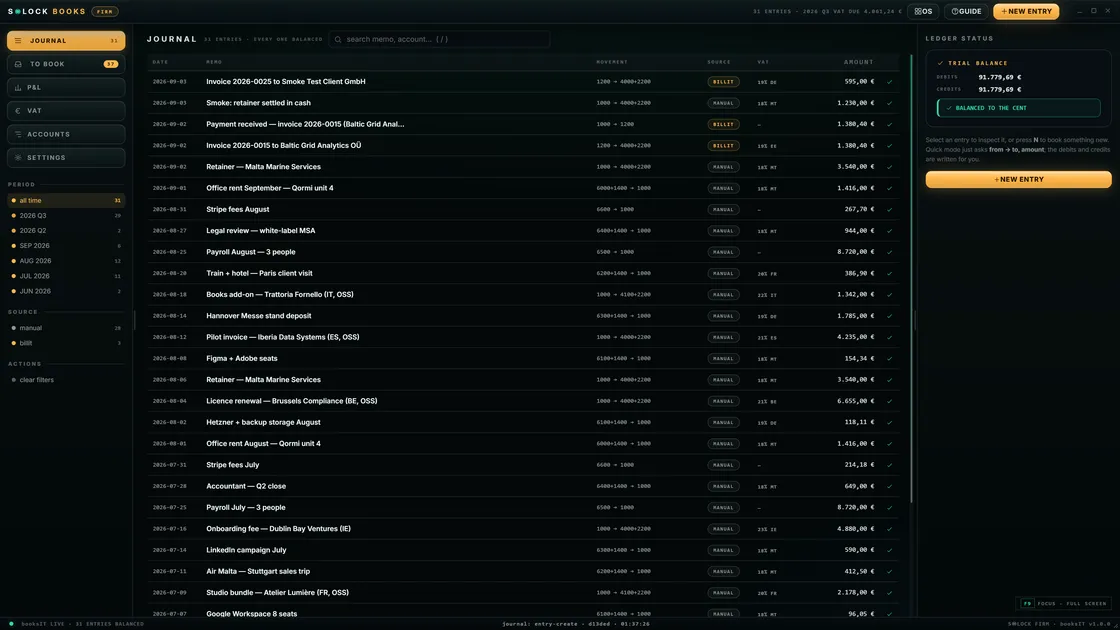
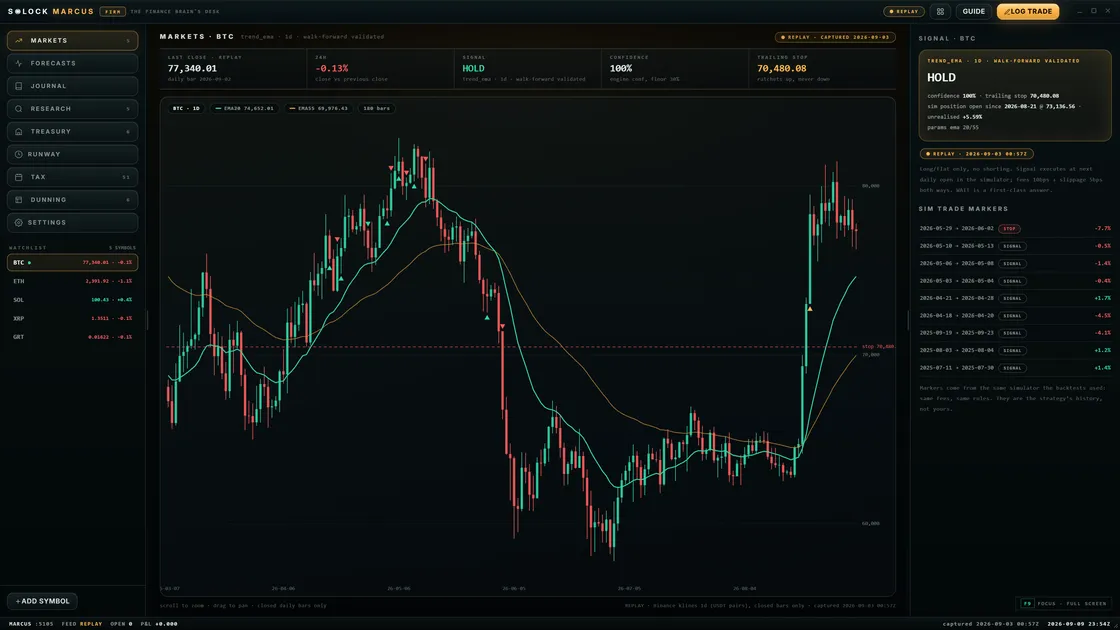
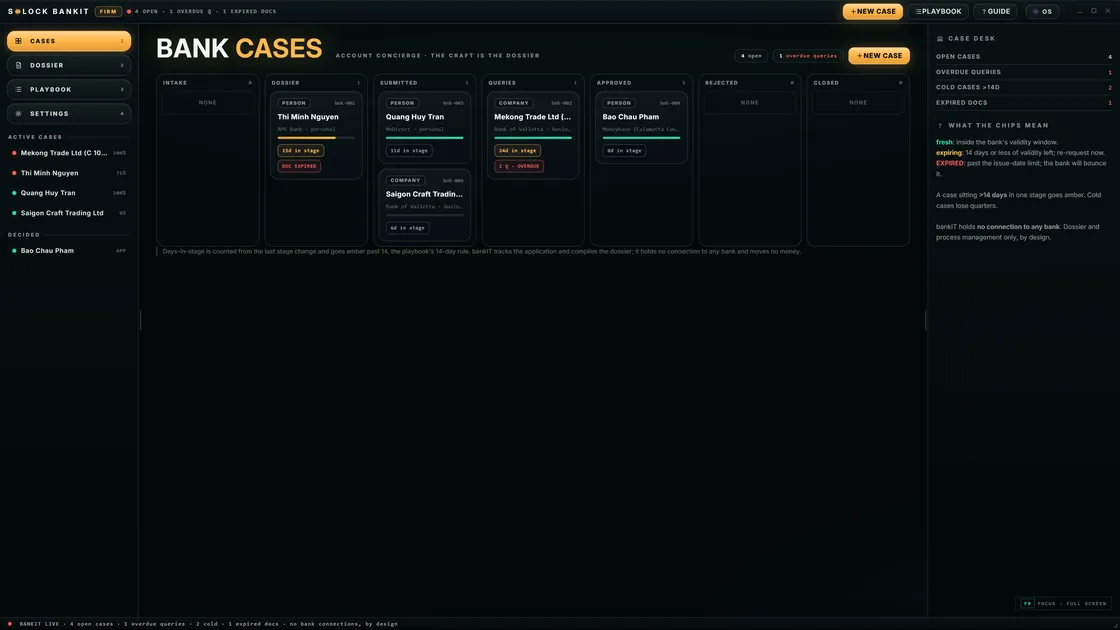
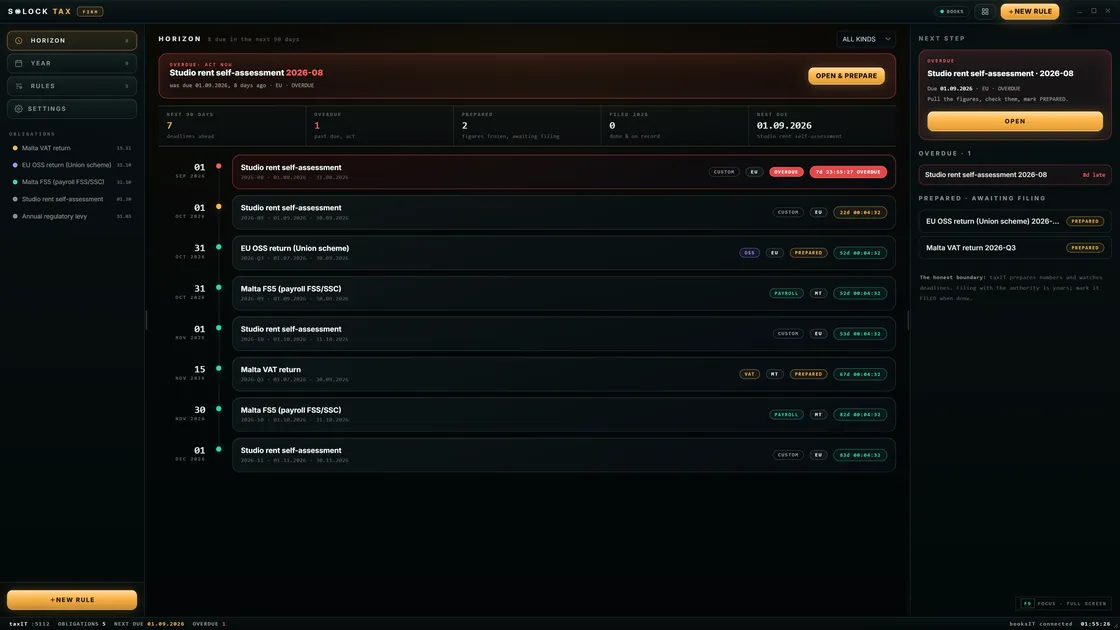
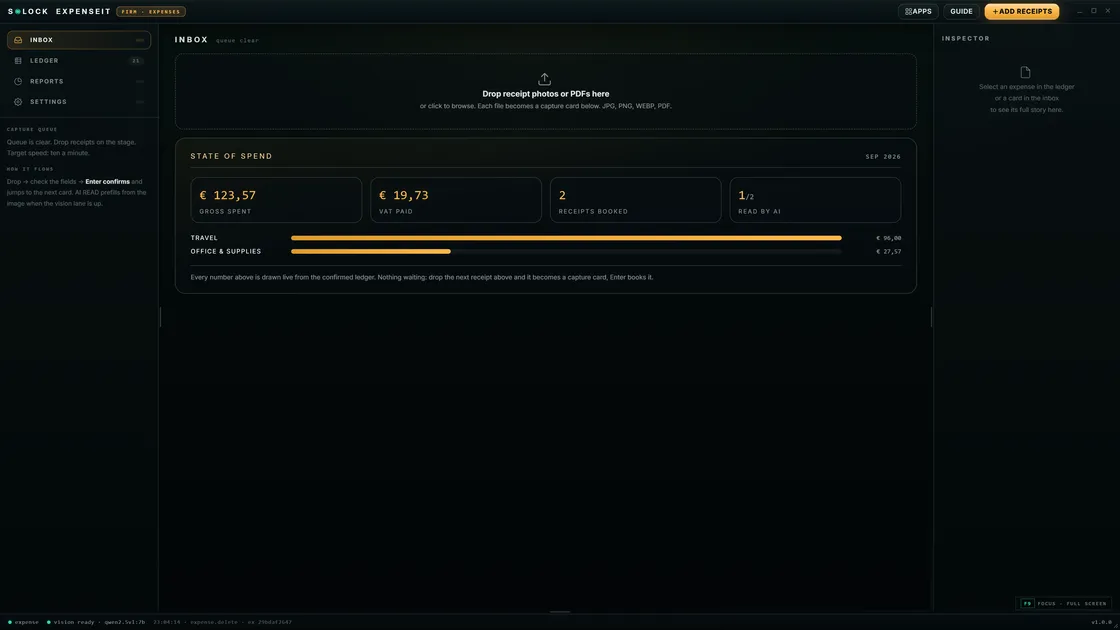
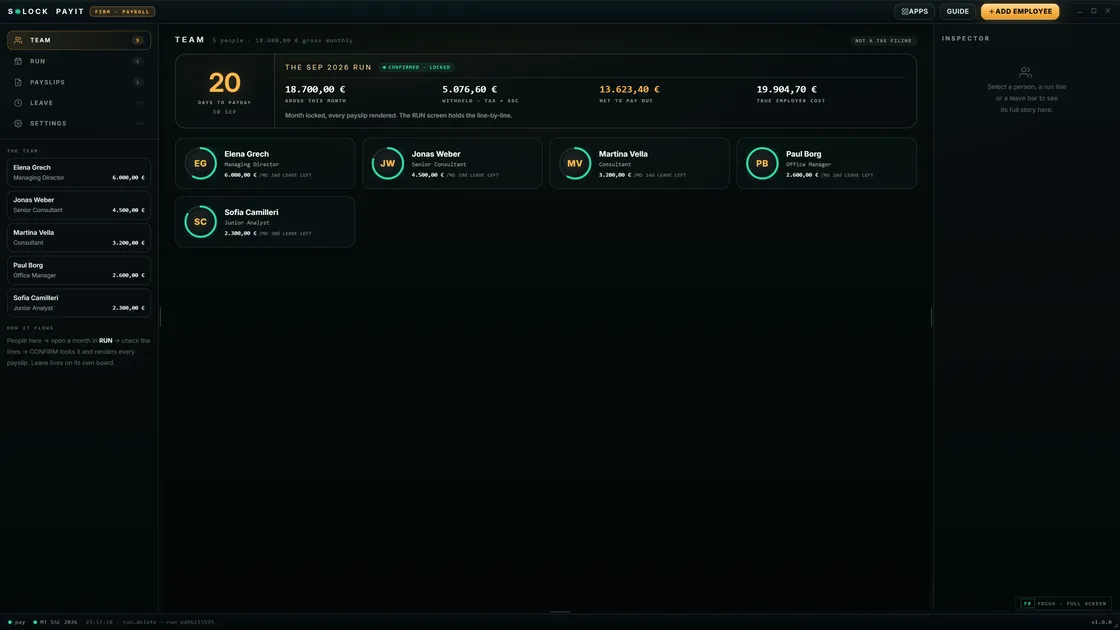
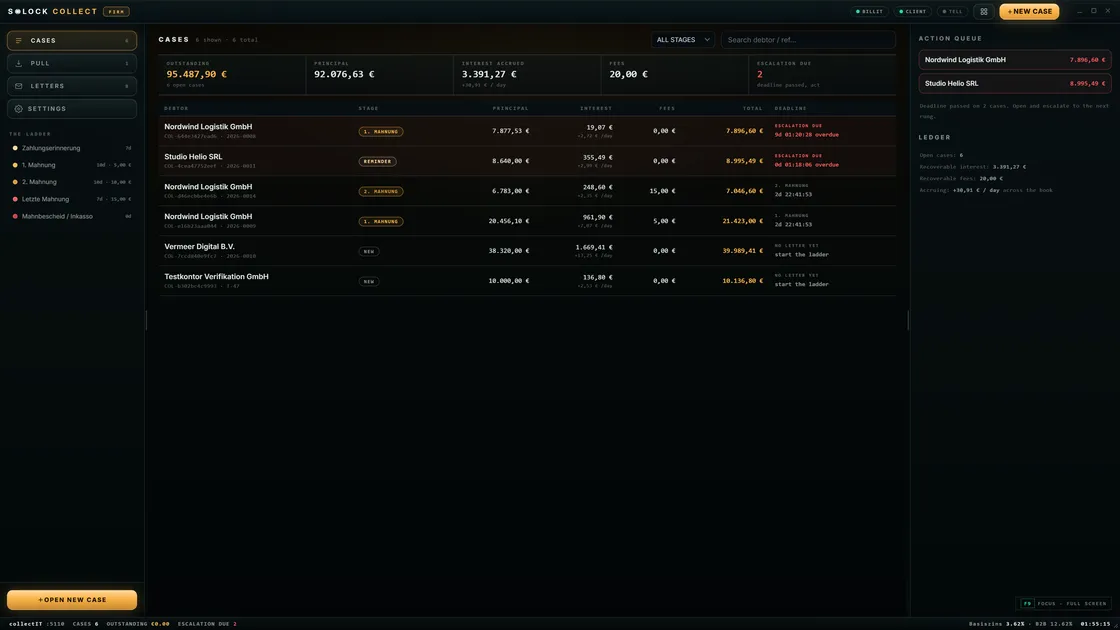
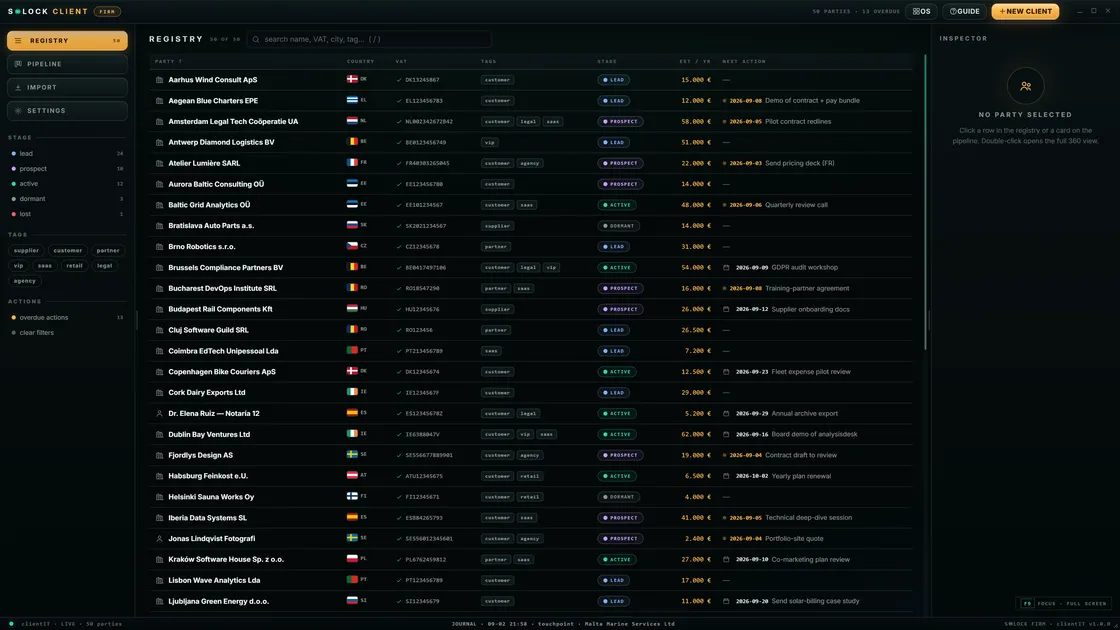
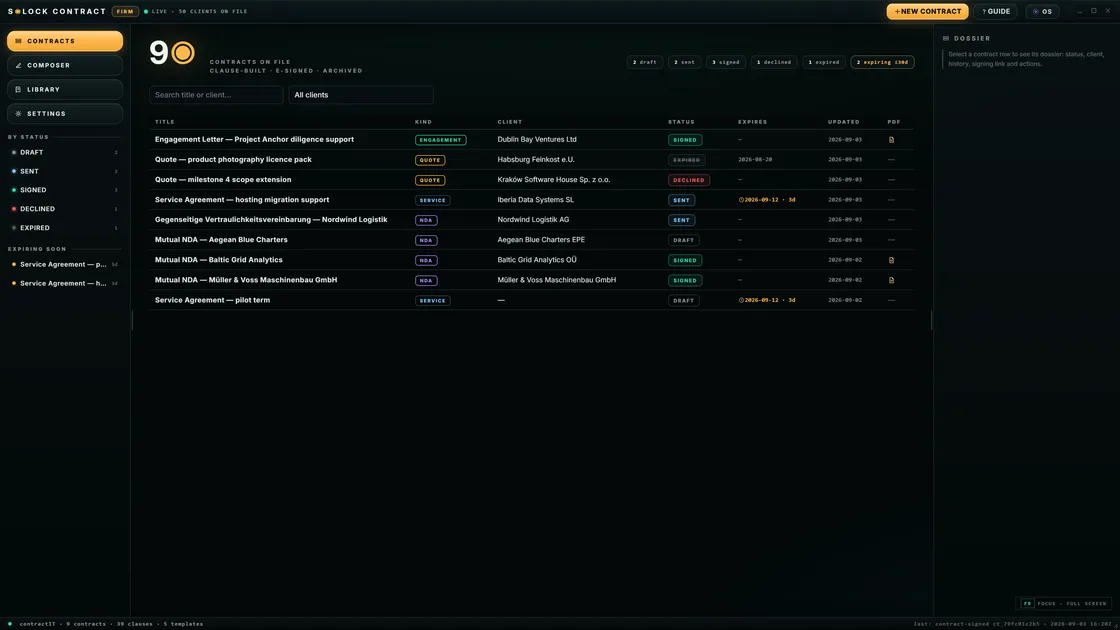
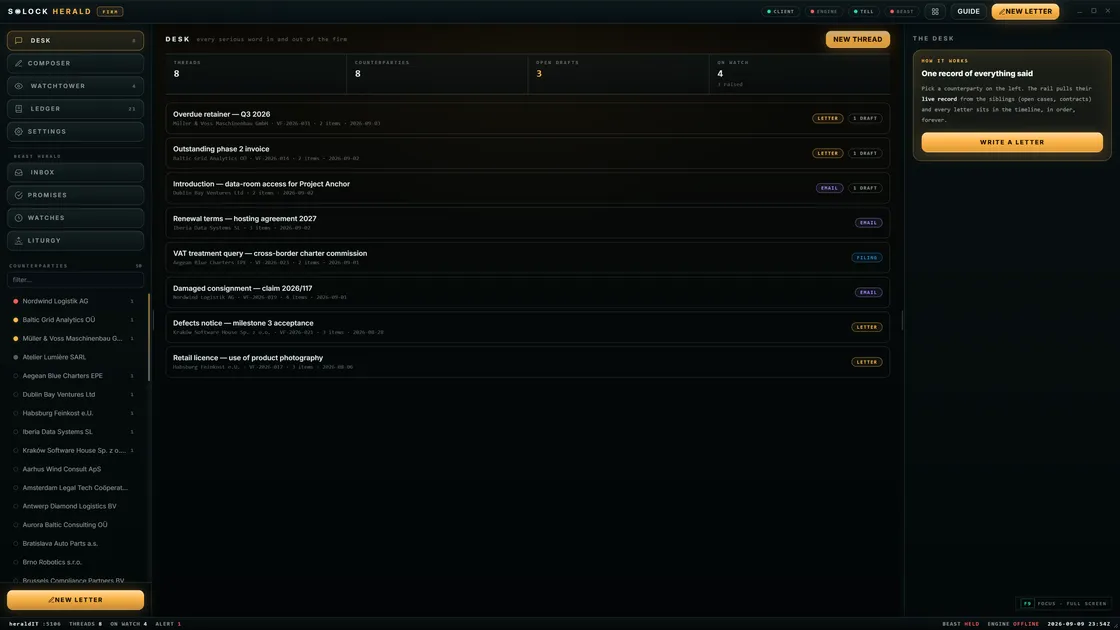
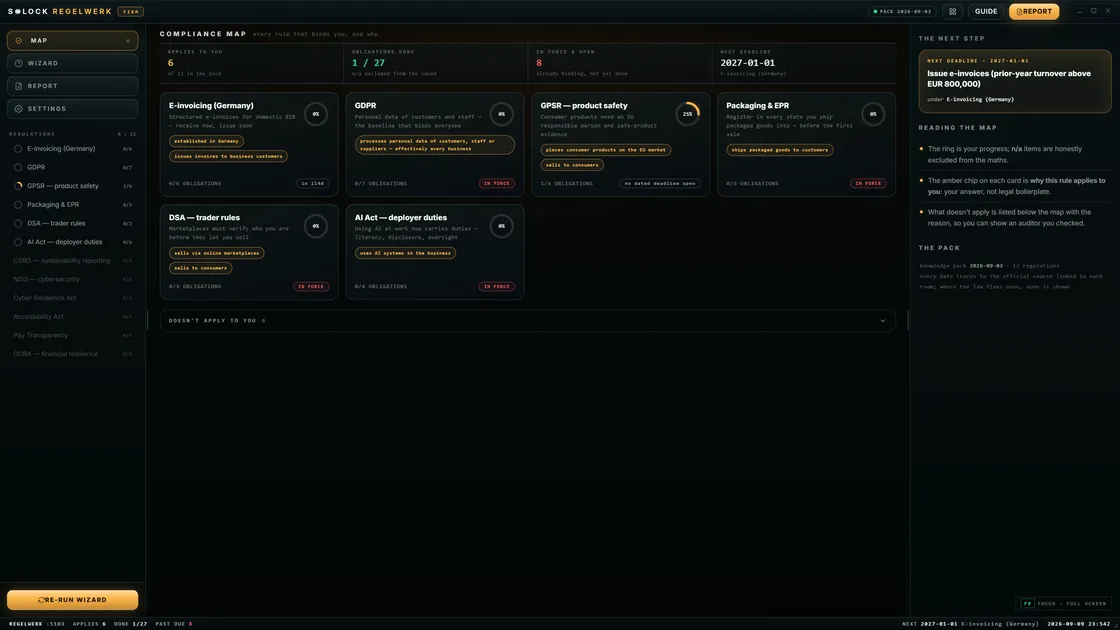
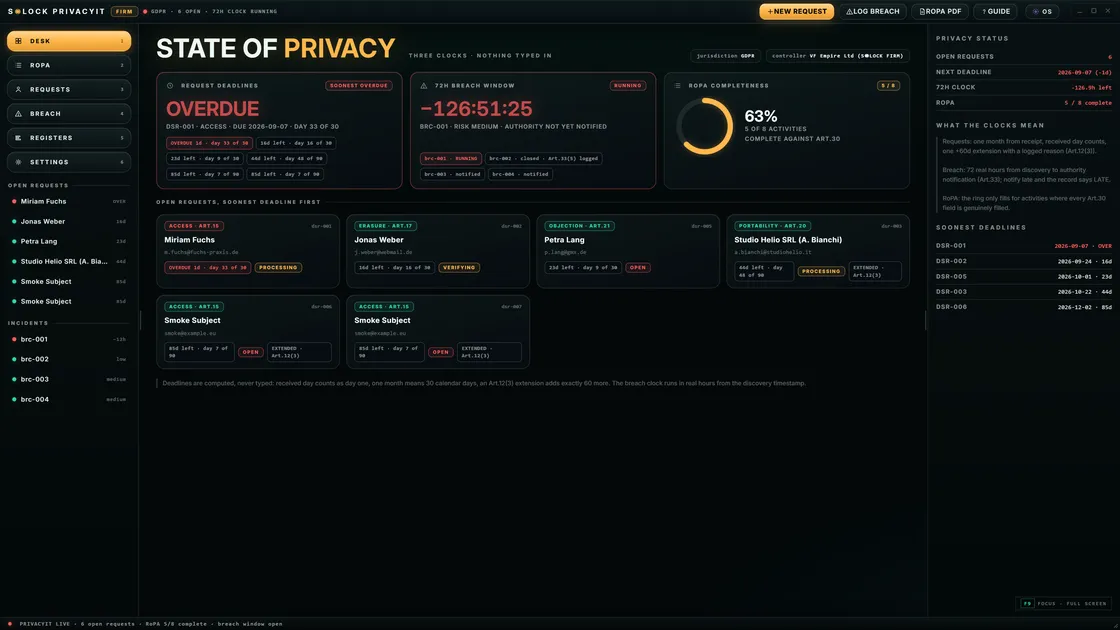
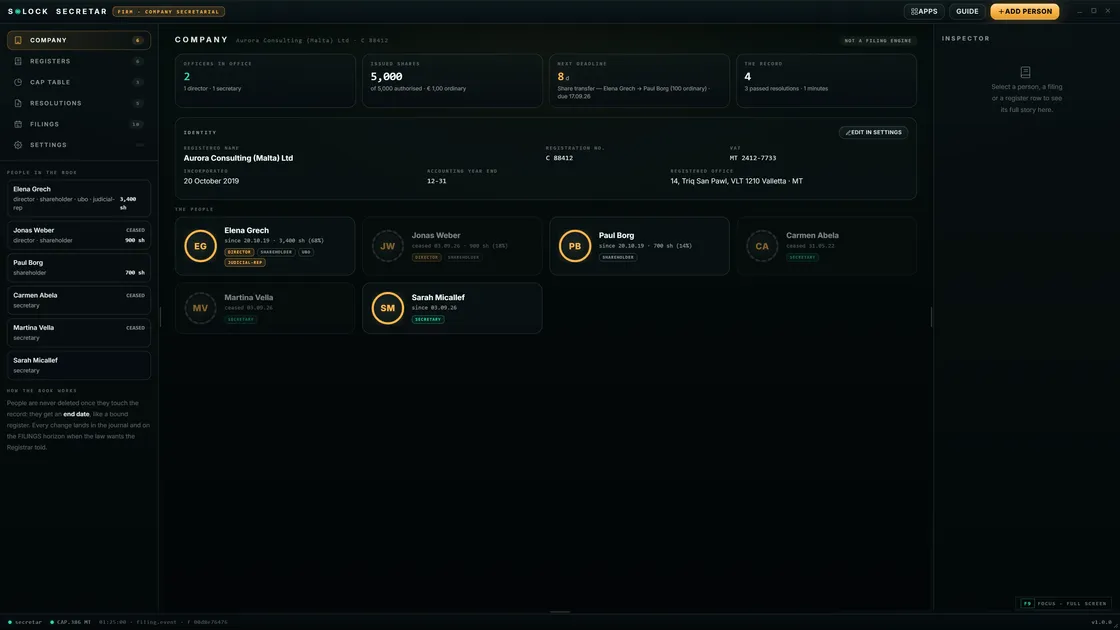
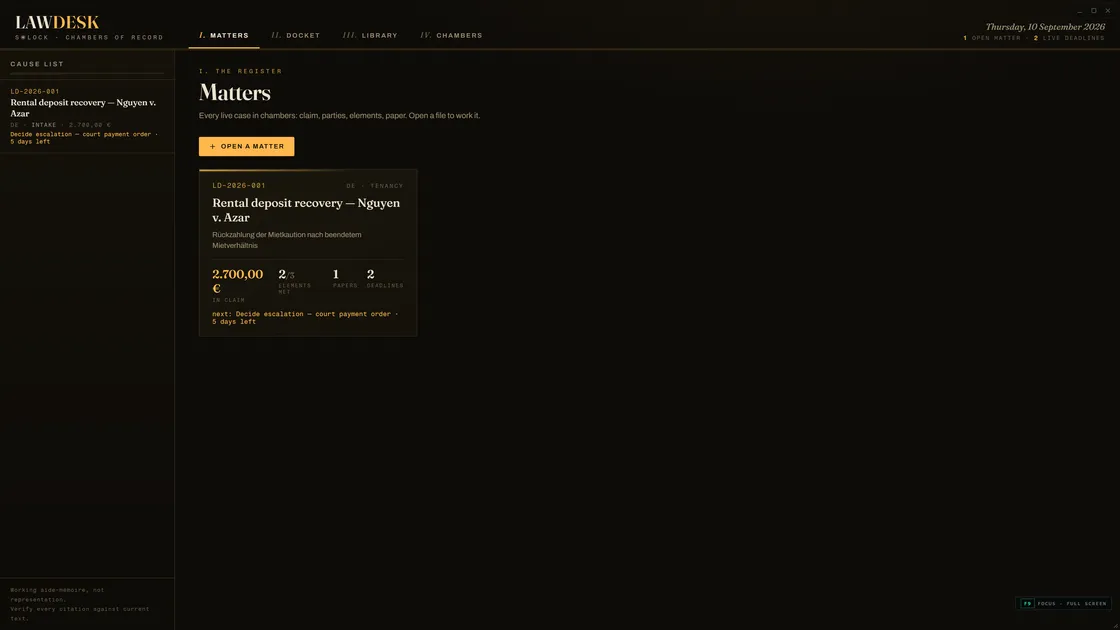
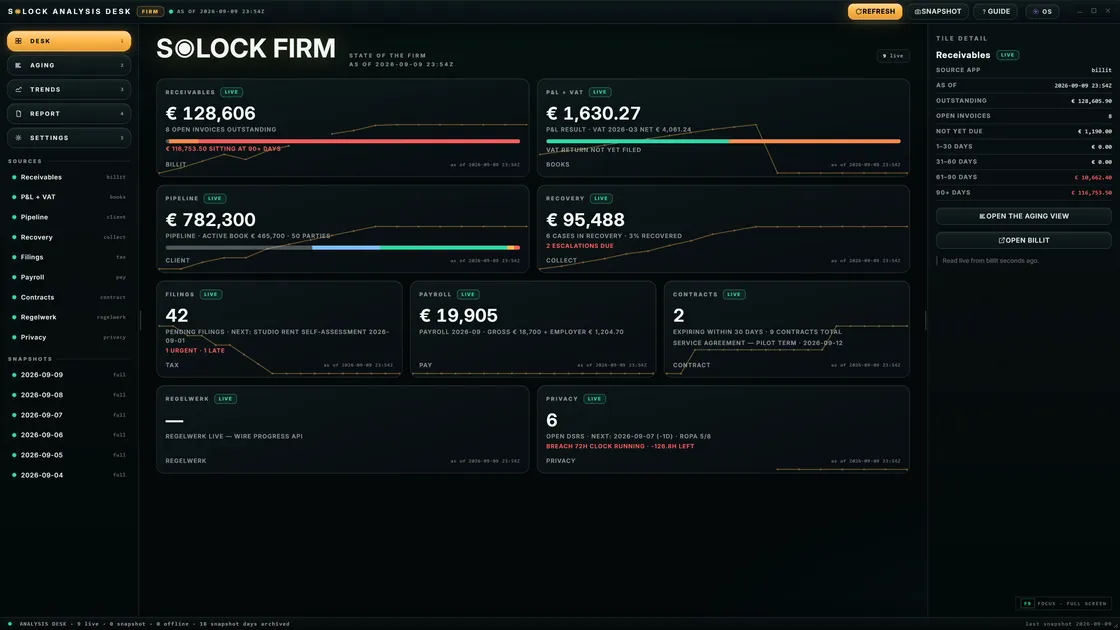
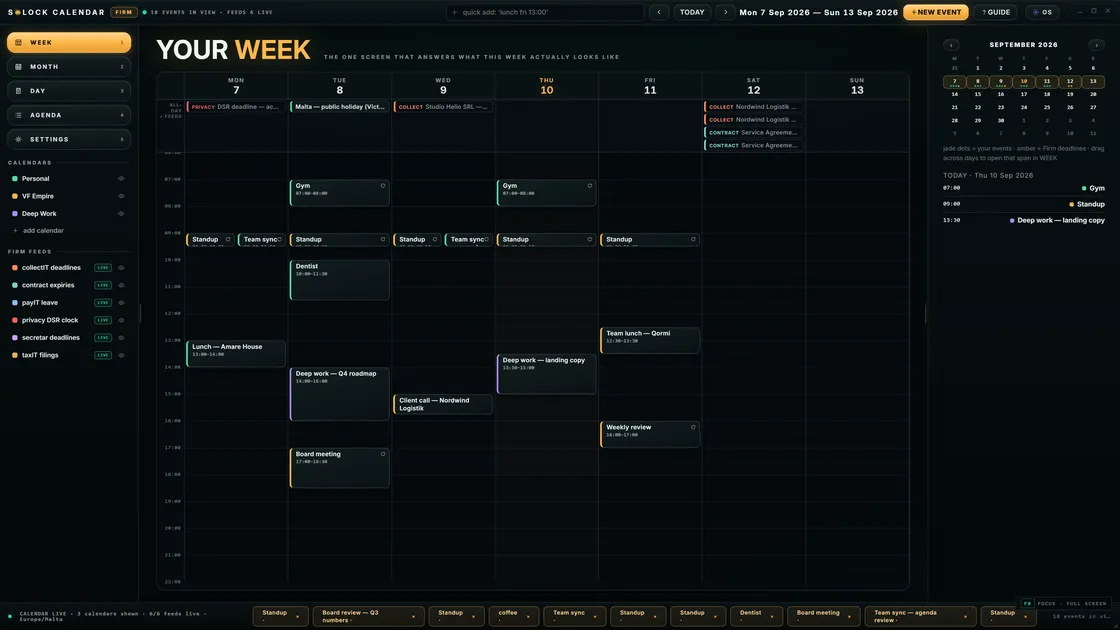
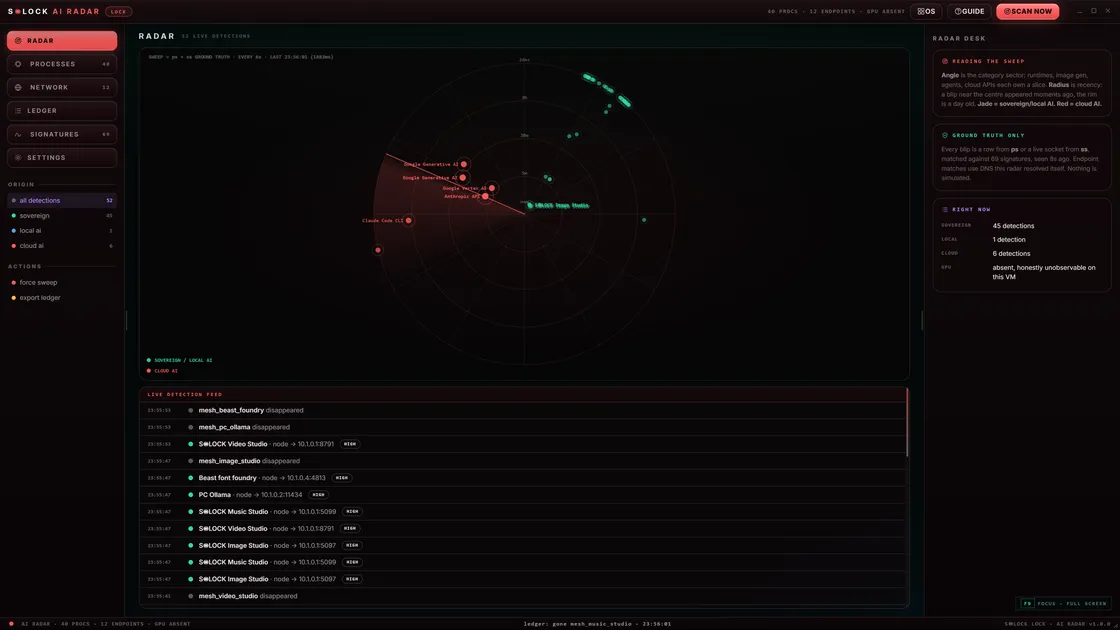
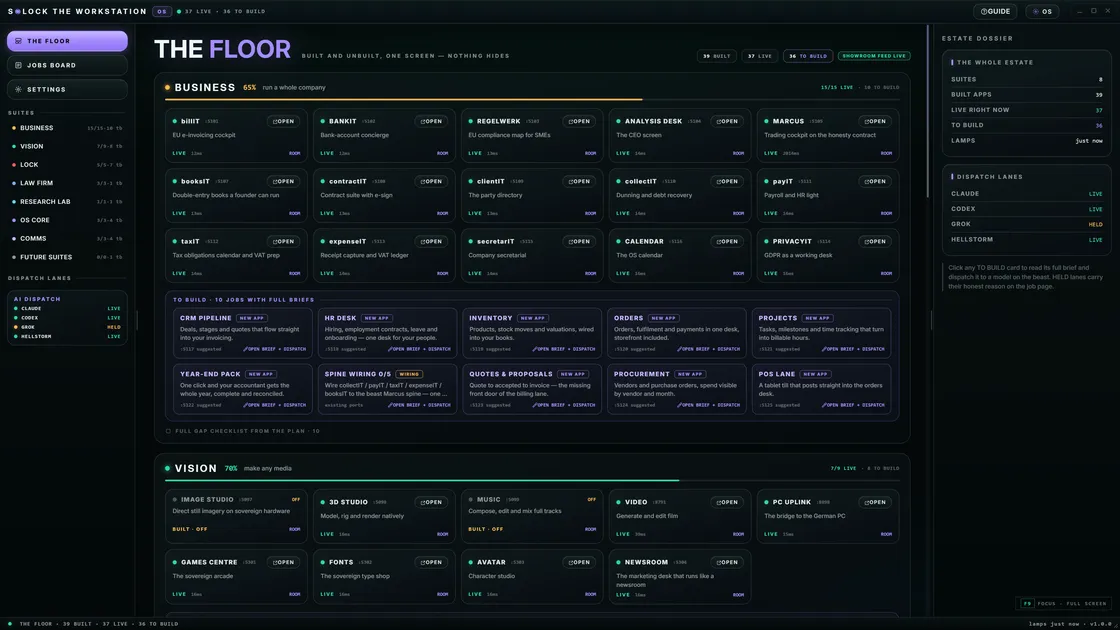
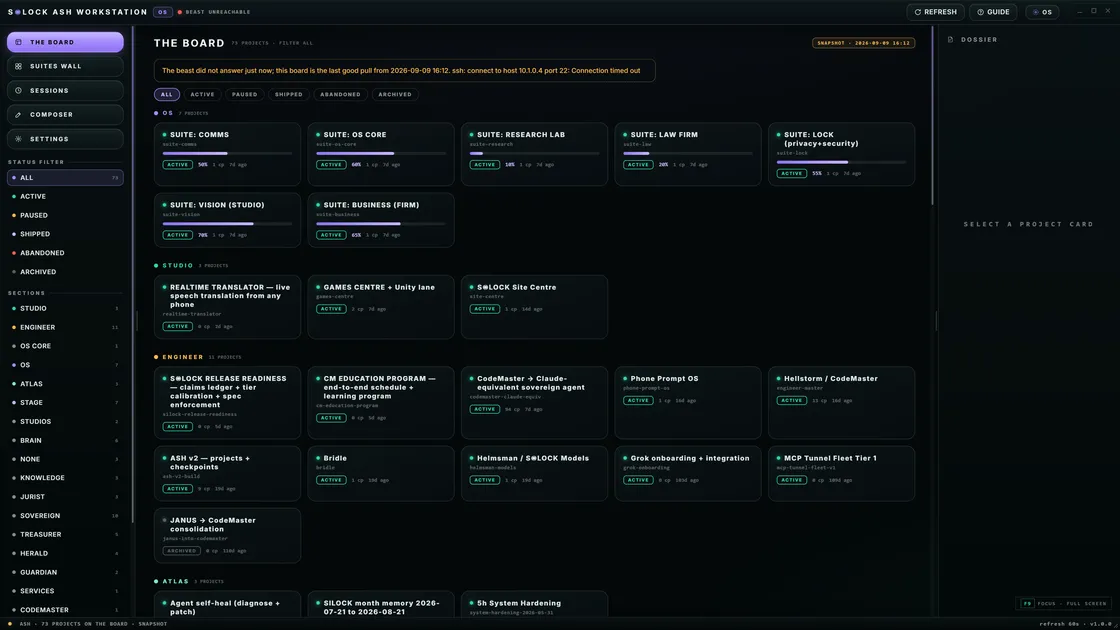
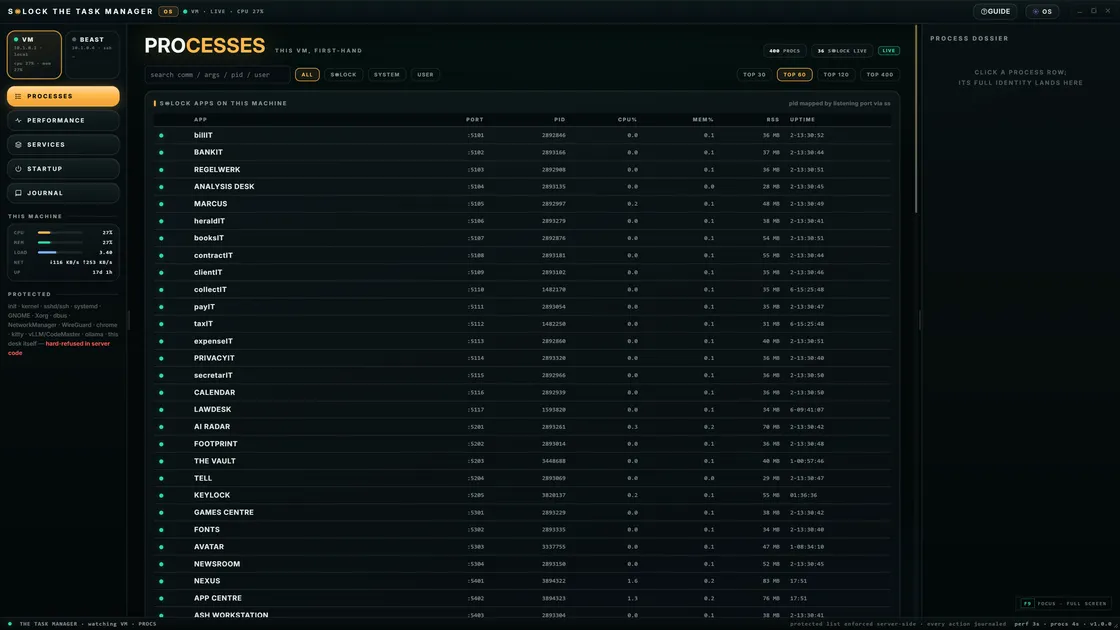
S◉LOCK is designed local-first with no automatic cloud model fallback. Founding Preview invites buyers who need real privacy architecture — not another rented chat seat.
Next step: Compare model weight classes in the Helmsman catalog, check the hardware floors your choice implies, or go straight to Founding Preview access.
FAQ
- Is private AI the same as encrypted chat?
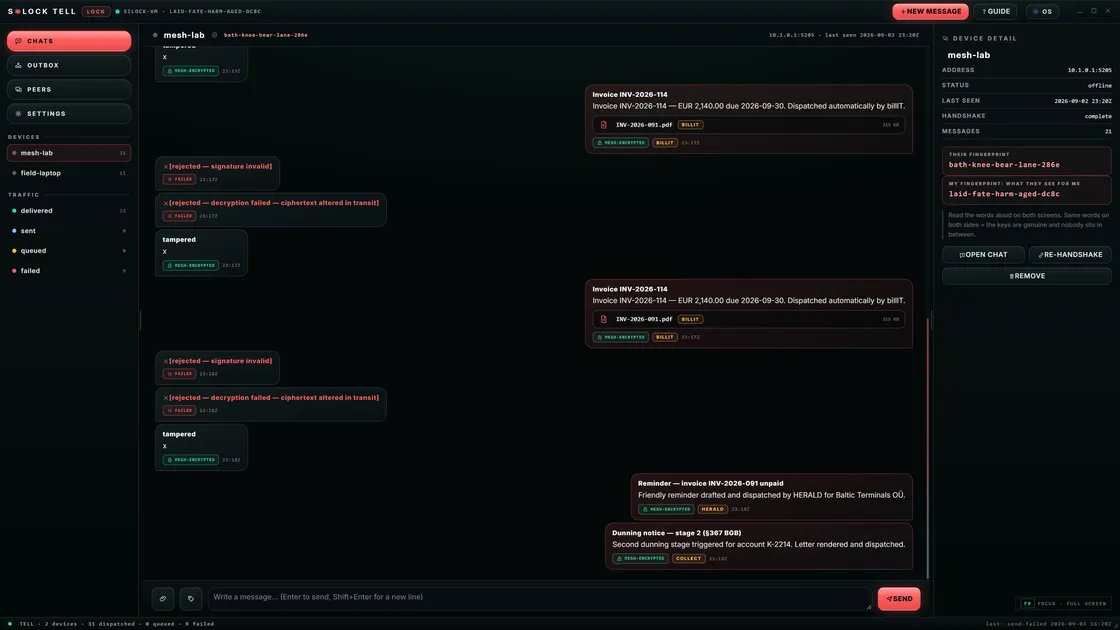
- Encryption in transit helps, but if the model runs in a vendor’s multi-tenant cloud, the vendor’s stack still processes content. Local inference removes that hop.
- Does GDPR require local AI?
- Not always — but EU data-protection culture favours minimisation and control. Local-first design aligns with European expectations when you process sensitive personal data.
Related guides
Decided your prompts should stay home?
Founding Preview seats are limited and confirmed by written invitation: an EU-born private desktop where the local machine is the default and any cloud call is a deliberate choice.
Request Founding access